
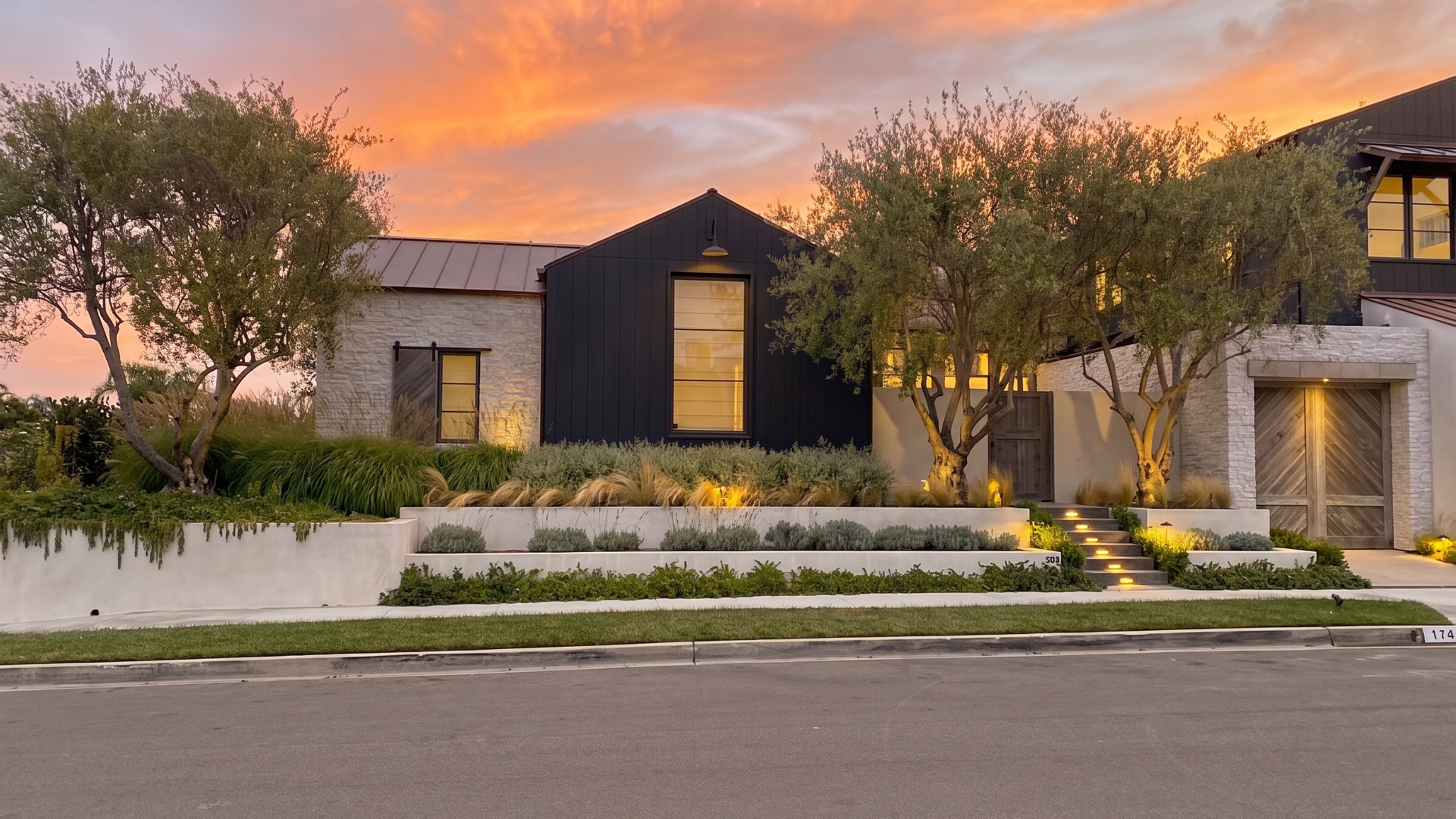
Retaining Walls in Napa, CA
Structural retaining walls that stop erosion, hold back a slope, and turn unusable grade into a level, finished yard. Serving Napa and the rest of Sonoma, Napa, and Marin Counties.
Retaining Walls, done right.
A retaining wall holds back sloped soil so the ground above it stays put instead of sliding, eroding, or slumping toward a driveway, patio, or foundation. Golden Grove builds structural retaining walls using segmental block, poured concrete, or natural stone, chosen to match the grade, the load the wall needs to carry, and the look you want for the property.
The part that never shows is usually what matters most: compacted base rock, proper backfill, and drainage behind the wall (gravel backfill and a perforated drain line, typically) so water pressure never gets the chance to push the wall out of place. A wall built without drainage is a wall that eventually fails, often not until the first hard winter storm.
Built for Napa's ground.
The city of Napa sits at the wide, low south end of the valley, where the Napa River turns tidal and the ground flattens out toward San Pablo Bay. That is the heavy end of the county. Soils around town and south toward Carneros run to clay and clay loam, the adobe ground that swells shut when it is soaked in February and opens into cracks by August. The deep gravelly fans people picture when they think Napa dirt sit further upvalley.
That clay is why a retaining wall here is won or lost behind the block, not in front of it. Clay does not drain. Water stacks up against the back of the wall, the soil swells, and the wall stops being loaded and starts being pushed. So on Napa clay we build the back side heavier than the front: clean gravel backfill run the full height, a perforated drain line at the base, and an outlet that daylights somewhere real instead of dead-ending under a planting bed.
In the hills the problem changes. East of town toward Coombsville, Alta Heights and the Atlas Peak road, and west toward Browns Valley and Mount Veeder, soil gets shallower over rock, cuts get steeper, and access narrows to a driveway a loaded truck cannot back down. Those jobs usually want two or three shorter terraces instead of one tall face. Shorter lifts hold better on a steep grade, and the block can come in on equipment that fits between the house and the fence line. Down on the low parcels near the river, groundwater sits close and a footing trench can find water in a wet spring.
The calendar does the testing. Napa gets almost no rain from May into October, so the ground behind a wall shrinks back and pulls away from it all summer. Then the first real storms in November and December soak it faster than clay can take. A wall built in September looks perfect in September. February is the honest test, which is why base compaction and the drain line are the two steps we will not hurry.
Permit requirements vary by jurisdiction, and a wall inside Napa city limits is not always handled the same way as one on an unincorporated county parcel. Broadly, the walls that draw review are the taller ones, the ones carrying a surcharge above them like a driveway or a structure, and the ones sitting close to a property line or a drainage course. We flag what we see on the walkthrough. For the answer that applies to your address, the City of Napa Building Division, or Napa County Planning, Building and Environmental Services outside city limits, is the office to ask.
Three steps. No surprises.
Call or text
Tell us what the yard does now and what you want it to do. A five minute call is enough to get started.
We walk the property
Roberto walks the site with you and you get a clear written estimate: scope, timeline, and price. Free, and it stays that way.
The crew builds it
We keep the site clean, hit the timeline, and walk the finished yard with you before we call it done.
Questions, answered.
01 Will Napa's clay soil push a retaining wall over?
It will if the wall has nowhere to send water. Clay holds winter rain instead of draining it, and that trapped water is what pushes a wall out of line. The answer is not a thicker block, it is what goes behind it: clean gravel backfill for the full height of the wall, a perforated drain line at the base, and an outlet that actually daylights. Built that way, the clay stays a soil the wall holds back instead of a load it fights.
02 Do I need a permit for a retaining wall in Napa?
Some walls do, and it depends on the wall and the parcel. Height, whether anything sits above the wall (a driveway, a patio, a structure), and how close it is to a property line or a drainage course are what usually decide it. Rules are not identical inside the city and out in unincorporated Napa County. Confirm your address with the City of Napa Building Division, or with Napa County Planning, Building and Environmental Services if you are outside city limits. We tell you what we see on the walkthrough and build to whatever the jurisdiction asks for.
03 What time of year is best to build a retaining wall in Napa?
The dry months, roughly late spring through October. Napa clay excavates clean when it is dry, compacts to spec, and holds a machine without tearing up the rest of the yard. Saturated winter clay will not compact properly, and compaction is the one step you cannot fake or come back and fix later. We do build in winter when it makes sense, and if a slope is already moving on you, call now and we will sequence the work around the weather rather than wait for June.
04 My lot is steep with a narrow driveway. Can you get equipment in?
Usually yes, with smaller machines and more trips. A lot of the hillside properties east of town toward Coombsville and Alta Heights, and west toward Browns Valley, have one narrow way in and no room to turn a full-size truck around. We size the equipment to the access, stage material where it will not block you in, and plan the haul route before day one. Access is one of the first things Roberto looks at on the walkthrough, because it drives both the schedule and the price.
05 One tall wall or a few terraces?
On most Napa hillside lots, terraces. Two or three shorter walls stepped up a slope carry less load each, drain more easily, and can be built with equipment that fits down a tight driveway. They also give you usable ground between the lifts instead of one blank face. A single tall wall is the right call on some sites, usually where the grade change is abrupt and the space is tight. We walk the slope and tell you which one the ground is asking for.
06 How much do retaining walls cost in Napa?
Every property is different, so we do not publish flat prices for retaining walls. Two Napa lots a mile apart can need completely different walls depending on grade, soil, and how a truck gets to the work. What we do promise: the estimate is free, in writing, and no-obligation. Roberto walks the property with you in Napa and you get the full scope, timeline, and price before any work starts. Call or text (707) 787-7535.
07 Do you serve Napa?
Yes. Napa is part of our core service area, from the flats around downtown and the Oxbow to the hillside lots east and west of the city. We serve homeowners across Sonoma, Napa, and Marin Counties, including Santa Rosa, Petaluma, Sonoma, Napa, San Rafael, and Novato.
More ways we can help.
See retaining walls pages for nearby cities, or browse the other projects we build in Napa.